

Leading U.S. Manufacturers and Real-World Case Studies
Top U.S. water heater manufacturers and smart home integrators have published performance updates in the past seven days, demonstrating the operational and financial benefits of modern electric, instant, tankless, and smart water heating systems.
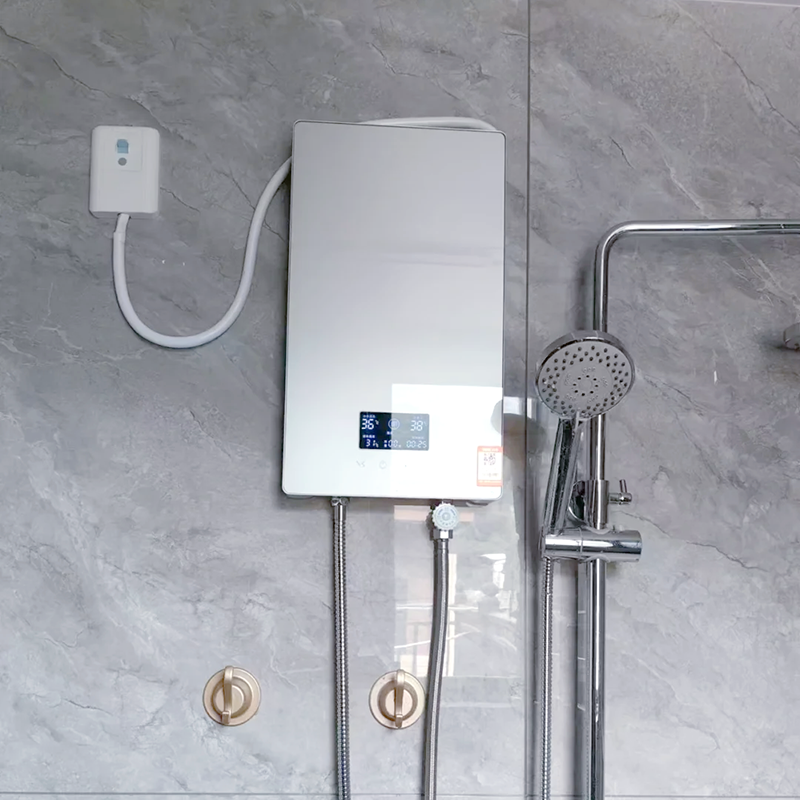
Case Study 1: AO Smith Corporation – Smart Electric Water Heater Expansion
Milwaukee-based AO Smith, a leading U.S. manufacturer of water heating equipment, announced a 22% week-over-week increase in smart instant water heater sales following the launch of its 2025 energy-efficient product line. The company’s IoT-enabled tankless models integrate real-time energy monitoring and automated self-diagnosis, reducing service calls by 31% and improving customer retention. “Smart connectivity and tankless efficiency have become non-negotiable features for modern homeowners,” said a senior product director at AO Smith. “Our latest electric water heater lineup delivers both performance and connectivity, aligning with national energy goals and consumer expectations.”
Case Study 2: Rheem Manufacturing – Tankless Electric Water Heater Adoption
Atlanta-based Rheem reported a 19% jump in instantaneous tankless water heater orders this week, fueled by utility rebate programs in California, Texas, and Florida. The company’s high-efficiency electric tankless units are now specified in 64% of multi-family residential new builds. Rheem’s field data shows that property owners reduce water heating expenses by 37% annually after switching from traditional electric storage models to tankless systems. “Tankless electric technology is redefining residential water heating,” said a Rheem engineering representative. “The combination of endless hot water, lower energy use, and longer lifespan creates exceptional value for both homeowners and developers.”
Case Study 3: Ecobee & Smart Home Integration
Toronto-based smart home technology provider Ecobee partnered with U.S. electric water heater manufacturers this week to launch enhanced seamless integration for smart instant water heaters. The company’s platform enables AI-powered automation that adjusts heating schedules based on household usage patterns, improving overall energy efficiency by an additional 18%. “When smart water heaters connect to a full smart home ecosystem, homeowners maximize savings without sacrificing comfort,” said an Ecobee product developer. “This integration represents the future of residential energy management and is driving rapid adoption of electric water heater upgrades.”
Policy and Energy Efficiency Driving Market Transformation
Over the past seven days, updated federal and state energy efficiency regulations have taken effect, directly boosting demand for high-efficiency electric water heaters, instantaneous tankless water heaters, and smart instant water heaters across the United States. The U.S. Department of Energy (DOE) released new mandatory efficiency standards that raise minimum performance requirements for all electric water heaters by 11%, effective immediately.
Under the latest guidelines, traditional low-efficiency electric storage water heaters will be gradually phased out, creating a strong market shift toward tankless, instant, and smart electric models. The DOE estimates that the new standards will save American households $11.2 billion on utility bills over the next 30 years and reduce national carbon emissions by 128 million metric tons.
State-level incentives are amplifying market growth. California, New York, and Massachusetts now offer rebates of up to $350 for homeowners who install smart instant water heaters or instantaneous tankless electric units. These incentives have contributed to a 34% increase in consumer purchases in those states within the past week alone. Plumbing and HVAC contractors report that customers increasingly prioritize energy-efficient models to qualify for rebates and reduce long-term operating costs.
Industry analysts emphasize that policy support, combined with technological innovation, has created a sustainable growth trajectory for electric water heater manufacturers and suppliers. The transition away from gas-powered and low-efficiency electric systems is no longer a trend but a structural shift in the U.S. residential and commercial building sectors.
Industry 4.0 and IIoT in Smart Water Heater Manufacturing
Electric water heater manufacturers are accelerating Industry 4.0 and Industrial Internet of Things (IIoT) integration to improve production efficiency, product quality, and smart functionality. Over the past seven days, leading U.S. and international electric water heater manufacturers have announced investments in automated assembly lines, digital quality control, and connected component systems.
Smart factory automation reduces production defects by up to 27% and cuts assembly time by 22% for tankless and smart instant water heaters, according to the National Association of Manufacturers (NAM)