

Instantaneous electric water heaters are a popular choice for many modern families. They use electricity to provide hot water. With numerous brands available on the market, many homeowners are unsure how to choose. Below, we introduce some purchasing tips for instantaneous electric water heaters to help you understand their advantages and disadvantages.
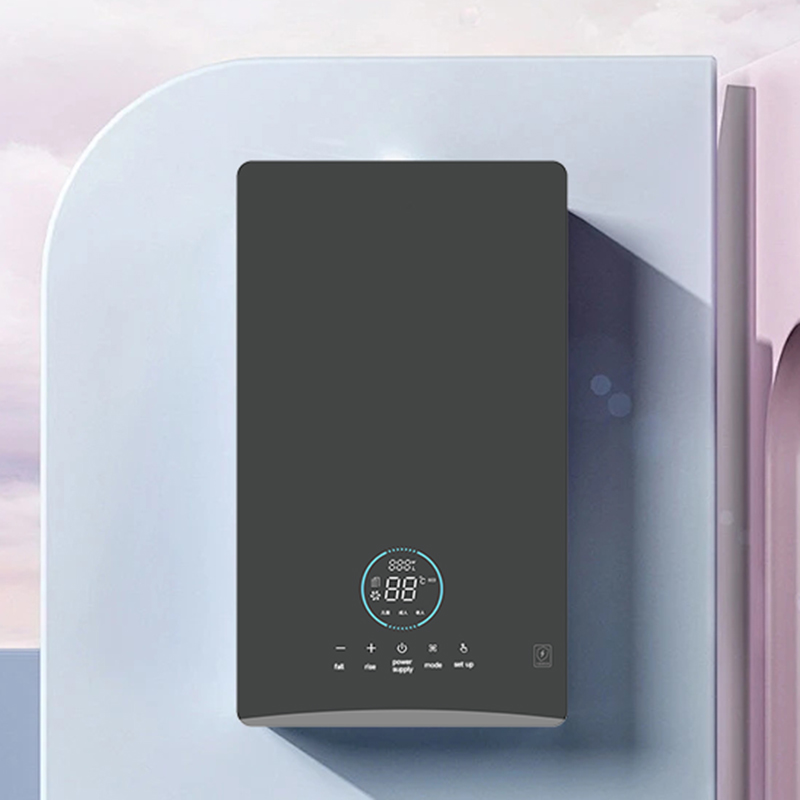
An instantaneous electric water heater uses electronic heating elements to quickly heat running water and controls water temperature, flow rate, and power through circuitry to achieve a comfortable bathing temperature. It provides hot water instantly, without waiting, typically starting within seconds.
Does an instantaneous electric water heater consume a lot of electricity?
1. To heat water under the same conditions, instantaneous electric water heaters save approximately 40% of energy compared to storage-type (traditional) electric water heaters.
2. Instantaneous electric water heaters do not require prolonged preheating or constant heating and heat preservation, thus saving energy.
3. Instantaneous electric water heaters are water-controlled, meaning the power is on when the water is turned on and off when the water is turned off, preventing heat loss and energy waste.
4. For heating water under the same conditions, instantaneous electric water heaters take much shorter time. According to the law of conservation of energy, under the same power supply voltage, shorter heating time means less energy consumption.
5. Featuring a stepless speed control function (adjustable power), instantaneous electric water heaters can adjust the heating power according to the difference between the inlet and outlet water temperatures, heating water specifically for the desired temperature, thus saving energy.
Therefore, instantaneous electric water heaters consume virtually no electricity and are energy-saving.